Anavex develops innovative oral medicines aimed at neurodegenerative and neurodevelopmental diseases, with a focus on advancing brain health for patients.

Neurological and neurodegenerative diseases affect far more than clinical symptoms. They influence how people think, move, communicate, and connect with the world around them, often placing significant demands on families and caregivers over time.
At Anavex, our work is driven by the belief that meaningful progress begins with a deeper understanding of disease biology and a commitment to developing therapies that are both scientifically rigorous and practical for real-world use. We focus on approaches that aim to preserve function, support independence, and address the underlying mechanisms of disease progression.
Our goal is not only to advance new treatment options, but to do so in a way that reflects the realities faced by patients and families living with complex neurological conditions.
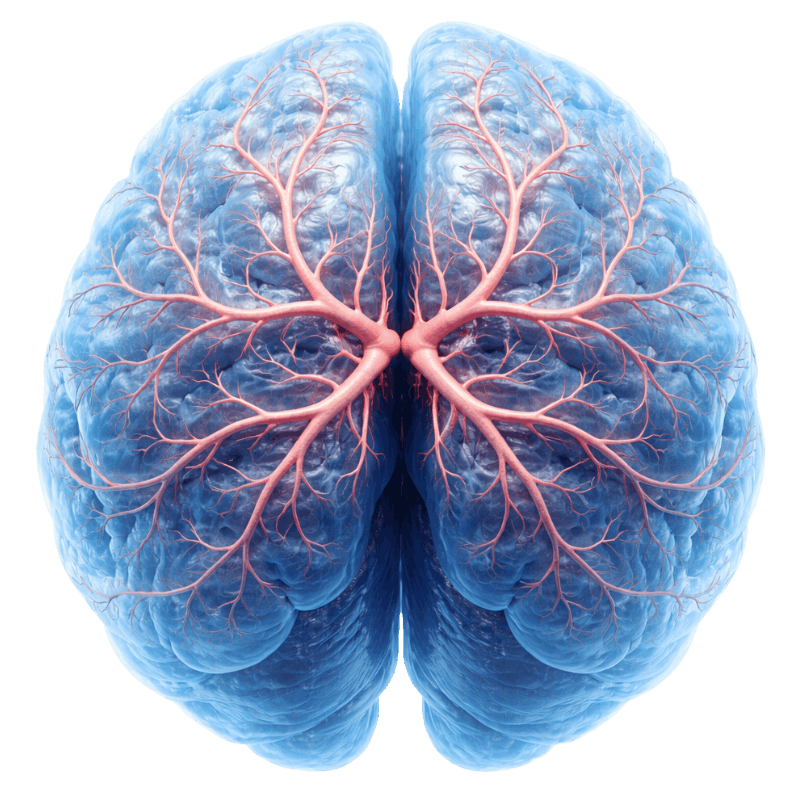
Neurological diseases are complex, involving many interconnected biological processes in the brain. While existing treatments may address certain symptoms or targets, many patients continue to experience disease progression and unmet needs.
Anavex is focused on developing oral therapies designed to support the brain’s natural ability to maintain balance and resilience at the cellular level. Our approach centers on restoring cellular homeostasis through activation of the sigma-1 receptor (SIGMAR1), including autophagy enhancement through SIGMAR1 activation, a process that helps cells clear damaged proteins and maintain healthy function.
By working upstream in the disease process, we aim to support multiple pathways involved in neurodegeneration, rather than focusing on a single downstream marker.
Anavex is advancing research programs across several serious neurological and neuropsychiatric conditions, each of which presents unique challenges for patients and caregivers.
Alzheimer’s Disease (AD) is a progressive and irreversible brain disorder that slowly erodes memory, cognitive abilities, and essential functions for independent living. It is the most common form of dementia and poses significant emotional, physical, and financial challenges for individuals and their families.
Parkinson’s Disease (PD) is a progressive neurological disorder that affects movement, balance, and coordination. It is primarily caused by the degeneration of dopamine-producing neurons in the brain, leading to motor symptoms such as tremors, stiffness, and slowed movement.
Schizophrenia is a chronic mental health condition that affects thought processes, perceptions, and behavior, often causing delusions, hallucinations, and difficulties with social interaction.
Rett Syndrome (RS) is a rare neurological disorder that primarily affects girls, causing severe cognitive, motor, and communication impairments. It is typically diagnosed in early childhood and is often marked by a loss of previously acquired skills.
Frontotemporal Dementia (FTD) is a group of neurodegenerative disorders that primarily affect the frontal and temporal lobes of the brain, leading to changes in behavior, personality, language, and movement. It is a major cause of dementia in individuals under the age of 65.
Living with neurological disease can feel overwhelming, but patients and caregivers do not have to navigate it alone. The following organizations provide education, advocacy, and community support:
Utilize resources from organizations like the Alzheimer’s Association at www.alz.org, which provide updates on treatment advances, professional caregiver support, and educational materials.
Utilize resources from organizations like the Michael J. Fox Foundation, which provide research updates, patient and caregiver education, and opportunities to engage with Parkinson’s disease research.
Review detailed trial data and protocol information for the recently completed blarcamesine open-label extension Phase IIb/III study available at ClinicalTrials.gov.
